July 18th, 2025 Uncategorized
Call Free Now 0800 612 0855

Call Free Now 0800 612 0855
Acoustic Consultancy
July 18th, 2025 Uncategorized
In a world filled with constant noise, acoustic consultancy plays a crucial role in shaping our auditory environment. Acoustic consultancy is a specialized discipline within acoustic engineering, focusing on the assessment, design, and management of sound in various settings. Whether it’s the hum of a bustling city or the serene quiet of a countryside retreat, how sounds are managed can significantly impact our quality of life. Acoustic consultants are the experts who guide us in creating spaces where sound enhances rather than disrupts. A company specializing in acoustic consultancy brings together a broad range of expertise to address diverse sound challenges across different projects. From ensuring clear acoustics in concert halls to reducing noise pollution in urban areas, their work is both diverse and essential. In this post, we’ll explore what acoustic consultancy involves and why it matters for both everyday settings and specialised environments.
Acoustic consultancy is a specialised field that focuses on the science of sound and its impact on environments. Acoustic consultants work on a wide range of projects, addressing diverse environments and offering solutions across a broad range of services to meet various acoustic challenges. This section will delve into the definition and scope of acoustic consultancy, as well as the key roles and responsibilities that acoustic consultants undertake.
Acoustic consultancy is the professional field dedicated to managing and controlling sound in various environments. It involves the study of how sound behaves in different spaces and the strategies used to optimise acoustics. Acoustic consultants often work on projects ranging from urban planning to designing concert halls, and they plan acoustic solutions as an integral part of the overall project design to ensure optimal coordination with site layouts and building systems.
The scope of acoustic consultancy is broad, covering areas like soundproofing, noise control, and architectural acoustics. Acoustic consultants apply scientific principles to solve sound-related issues, ensuring that environments are both functional and comfortable. They assess sound levels, identify problem areas, and recommend solutions tailored to each specific situation.
In addition to technical work, acoustic consultants may also be involved in educating clients about sound management techniques. They provide guidance on materials and constructions that can help achieve desired acoustic outcomes.
Acoustic consultants have a variety of roles and responsibilities, making their job quite dynamic. At the core, they are responsible for assessing and analysing sound environments.
Noise consultants, often accredited by professional organizations such as the Institute of Acoustics (IOA) and the Association of Noise Consultants (ANC), play a key role in these activities by bringing specialized expertise in noise management and assessment.
Acoustic consultants also work closely with architects, engineers, and urban planners to integrate sound management into broader design and construction projects.
Acoustic consultancy plays a significant role in both everyday life and business operations. By placing a focus on noise and vibration considerations early in the design and planning process, projects can achieve improved results, reduced costs, and better compliance with UK planning policies, especially in sensitive developments. This section explores how effective sound management can enhance quality of life and offer competitive advantages to businesses.
Sound is an integral part of our daily experience. Poorly managed acoustics can lead to discomfort and stress, affecting one’s quality of life. Acoustic consultancy helps create environments where sound is pleasant and non-intrusive.
For instance, in residential areas, acoustic consultants can reduce noise pollution from traffic or nearby industrial activities. In high-end residential development, acoustic consultancy is essential to protect human health by minimizing noise pollution and ensuring a peaceful living environment. This leads to quieter, more peaceful living spaces.
In educational settings, good acoustics ensure clear communication, facilitating better learning. Acoustic consultants help design classrooms and auditoriums where sound clarity is paramount.
In healthcare, reducing noise can improve patient recovery rates. By implementing sound-reducing measures, acoustic consultants contribute to a therapeutic environment.
Effective acoustic consultancy offers several advantages for businesses. Good acoustics can significantly enhance customer experience and employee productivity.
Acoustic consultants help businesses by designing spaces that balance aesthetics and functionality, ultimately contributing to a positive brand image.
The tools and techniques used in acoustic consultancy are essential for achieving desired sound outcomes. Consultants produce noise models and conduct noise assessments and sound testing to inform their recommendations, ensuring compliance with regulations and identifying potential issues early in the project. This section covers two crucial methods: acoustic modelling and noise measurement equipment.
Acoustic modelling is a technique used to simulate how sound behaves in an environment. It helps consultants predict how changes will affect sound quality.
It begins with creating a digital model of the space in question. Consultants input data such as room dimensions, materials, and sound sources.
With the model, consultants can experiment with different configurations to find the best acoustic solutions. Acoustic modelling is widely applied to assess and visualize noise impacts in urban spaces and infrastructure projects, such as roads, railways, airports, and major transit developments, especially during the planning phase. This process helps in making informed decisions before physical changes are made.
Consultants use software tools designed for acoustic modelling, enabling them to visualise and adjust sound characteristics efficiently.
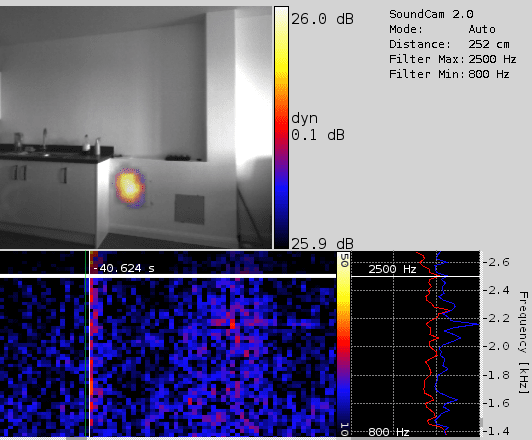
Noise measurement equipment is vital for accurate sound assessments. Acoustic consultants use various devices to determine sound levels and frequencies in an environment.
Noise measurement also includes assessing noise from mechanical sources such as building services or plant, which is essential in building acoustics and environmental noise assessments.
This equipment allows consultants to gather precise data, which is critical for developing effective sound management strategies.
Acoustic design is a fundamental element in the creation of spaces that are both functional and enjoyable to use. It involves the strategic planning and management of sound and vibration within buildings and environments to achieve the best possible acoustic performance. Whether it’s a bustling office, a tranquil library, or a dynamic concert hall, effective acoustic design ensures that sound enhances the experience rather than detracts from it. By carefully considering how sound travels and interacts with surfaces, acoustic consultants help to create spaces where communication is clear, distractions are minimized, and comfort is maximized. Good acoustic design not only improves the quality of life for occupants but also supports productivity, well-being, and the overall success of a project.
The principles of acoustic design are rooted in a thorough understanding of how noise and vibration affect buildings and their occupants. Acoustic consultants use their expertise to assess the acoustic implications of any proposed development, taking into account factors such as building regulations, relevant codes, and the specific needs of the space. Independent acoustic consultants play a crucial role by providing unbiased advice on how to limit noise and vibration to acceptable levels. This often involves recommending mitigation measures such as specialized materials, construction techniques, or layout adjustments to ensure that sound and vibration are effectively managed. The ultimate goal is to create buildings and spaces that are fit for purpose, comfortable, and compliant with all necessary standards. By addressing potential acoustic issues early, consultants help clients avoid costly problems and ensure that their developments meet both regulatory and user expectations.
Integrating acoustic design into the project planning process from the very beginning is essential for achieving optimal results. A proactive approach allows acoustic consultants to collaborate closely with the design team, ensuring that acoustic considerations are embedded in every stage of the design process. This collaboration often involves producing detailed acoustic assessments and noise impact assessments, which inform key decisions about materials, layouts, and construction methods. By addressing environmental noise and vibration issues early, developers can avoid the need for expensive retrofits and ensure that their projects comply with UK regulations and standards. Acoustic consultancy services guide clients through the complexities of planning, helping them navigate requirements related to environmental acoustics, building acoustics, and sound insulation. This integrated approach not only streamlines the construction process but also results in spaces that are comfortable, compliant, and tailored to the needs of their users. For companies involved in construction and development, working with experienced acoustic consultants is a smart investment in the long-term success and sustainability of their projects.
Several industries depend heavily on acoustic consultancy to enhance their operations. Acoustic consultants play a crucial role in industrial developments, environmental impact assessments, and the preparation of environmental statements, ensuring that projects meet regulatory requirements and minimize adverse effects. They are also experts in managing construction noise and transport noise for major projects, providing assessments and mitigation strategies to support planning and approvals. This section highlights the roles of acoustic consultants in construction, architecture, entertainment, and media.
Construction and architecture rely on acoustic consultancy to create buildings with optimal sound environments. Consultants work alongside architects to incorporate sound management into building designs.
Acoustic consultants advise on materials and structural elements that influence sound transmission. They ensure that spaces like theatres and conference rooms have the right acoustics for their intended use. It is essential to comply with approved documents such as Approved Document E to meet sound insulation requirements and adhere to UK building regulations.
Acoustic consultancy is also crucial during renovation projects. Consultants assess existing buildings and recommend modifications to improve acoustics without compromising structural integrity.
In the entertainment and media industry, acoustic consultancy is essential for creating immersive experiences. Sound quality can make or break a music concert, film production, or broadcast.
Consultants help design recording studios, ensuring they have the right acoustics for sound clarity and fidelity. They also work on venues like cinemas and concert halls to provide audiences with top-notch auditory experiences.
Acoustic consultants collaborate with sound engineers to ensure that audio systems deliver the desired effect, enhancing the overall quality of entertainment productions.
Selecting the right acoustic consultant is crucial for achieving successful sound management outcomes. This section offers guidance on qualifications to look for and questions to ask before hiring.
When choosing an acoustic consultant, it’s important to consider their qualifications and experience. Look for consultants with:
A consultant with a strong portfolio and positive client testimonials is likely to deliver quality service.
Before hiring an acoustic consultant, asking the right questions can ensure you find the best fit for your project. Consider the following:
These questions can help you gauge the consultant’s expertise and approach, ensuring a successful collaboration for your sound management needs.
November 5th, 2021




Copyright © 2026 Trace Surveys Ltd.
 English
  Arabic
  Russian
  Polish
  Spanish
  French