Leaky pipes and damp patches can quickly turn from minor annoyances into major headaches if left unchecked. While many of us might grumble about the sudden spike in the water bill or the damp smell wafting through the home, it can be tricky to pinpoint the exact source of the problem. Fortunately, understanding the basics of leak detection can empower any homeowner to tackle these issues head-on. In this guide, we’ll delve into practical methods for spotting leaks early, helping you save on costly repairs and maintain a healthy home environment. Let’s get started on making your living space leak-free and worry-free.
Understanding Common Leak Sources
Detecting leaks in your home begins with knowing where they typically occur. From plumbing to outdoor systems, each area of your home may have unique vulnerabilities. Understanding these common leak sources will help you identify potential problems before they escalate.
Identifying Plumbing Leaks
Plumbing leaks are often found near sinks, toilets, and in basements. These leaks can lead to high water bills and water damage if not addressed promptly.
- Inspect under sinks for moisture or mould, which may indicate a slow leak.
- Check toilets for running water sounds, which could signify a faulty flapper.
- Examine basement pipes for condensation or dripping.
Plumbing leaks may also be indicated by a sudden drop in water pressure. If this occurs, investigating further is critical to prevent further damage.
Heating System Red Flags
Your heating system may also be a source of leaks, especially if it’s an older model.
- Corrosion or rust around joints can signal a leak.
- Water pooling near the heater suggests a connection issue.
- Unusual noises while operating may indicate internal problems.
Regularly checking these elements can help you catch leaks early. If you notice any of these red flags, consider consulting a professional to assess your heating system.
Outdoor Leak Indicators
Leaks aren’t confined to the indoors. Outdoor leaks can occur in irrigation systems and hose connections.
- Wet patches in your garden may hint at a broken irrigation line.
- Dripping outdoor taps can waste significant water if left unchecked.
- Unexplained soft spots on your lawn could indicate underground leaks.
Monitoring these areas, especially after heavy rain, can prevent larger issues from developing.
Tools for Leak Detection
Identifying leaks efficiently requires the right tools. While some are simple and manual, others incorporate advanced technology for more precise detection. Understanding these options will help you choose the best tools for your needs.
Essential Leak Detection Tools
Basic leak detection tools include dye tablets, wrenches, and flashlights. These are ideal for quick checks and small fixes.
- Dye tablets reveal leaks in toilets by changing the water colour.
- Wrenches allow you to tighten loose fittings.
- Flashlights help illuminate dark spaces, making it easier to spot leaks.
These tools are inexpensive and handy for routine inspections.
Advanced Technology Options
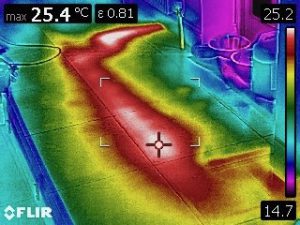
For more accurate detection, technology such as thermal cameras and moisture meters can be invaluable.
- Thermal cameras help identify temperature variations that could indicate leaks.
- Moisture meters measure moisture levels in walls and floors.
These tools, while more costly, offer precision and are especially useful in large or complex properties.
DIY vs. Professional Equipment
Deciding between DIY tools and professional equipment depends on your skills and the severity of the problem.
| DIY Tools | Professional Equipment |
|---|---|
| Affordable | Higher cost |
| Easy to use | Requires expertise |
| Best for minor leaks | Ideal for major leaks |
If you’re comfortable with handling minor repairs, DIY tools might suffice. However, for persistent leaks, professional equipment and expertise are advisable.
Step-by-Step Leak Inspection
Conducting a thorough inspection involves a systematic approach to different areas of your home. A step-by-step process ensures no potential leak source is overlooked.
Conducting a Home Walkthrough
A home walkthrough involves checking every room for signs of leaks.
- Start in the kitchen, examining under the sink and around appliances like dishwashers.
- Move to the bathroom, checking under sinks and around toilets and showers.
- Inspect the attic for stains or dampness that could indicate a roof leak.
During this walkthrough, note any suspicious areas for further investigation.
Inspecting Heating Systems
Inspecting your heating system is crucial, particularly before colder months.
- Turn off the heater and visually inspect for leaks or rust.
- Listen for unusual sounds during operation.
- Check pressure levels as low pressure can signal a leak.
Addressing heating system issues early can prevent more expensive repairs later on.
Checking Outdoor Areas
Inspecting outdoor areas involves checking irrigation systems, taps, and hoses.
- Turn on the irrigation system and look for uneven watering or leaks.
- Examine outdoor taps for drips when turned off.
- Check hoses for cracks or loose fittings.
Regular outdoor checks, especially after major weather events, can prevent water waste and damage.
Preventative Measures for Future Leaks
Preventing leaks involves routine maintenance and strategic upgrades. These measures can reduce the likelihood of leaks and prolong the life of your plumbing and heating systems.
Routine Maintenance Tips
Regular maintenance is essential for preventing leaks.
- Inspect and clean gutters to prevent roof leaks.
- Service heating systems annually to catch potential issues early.
- Check for loose fittings and tighten as needed.
These simple actions can drastically reduce the risk of leaks.
Upgrading Plumbing and Heating
Upgrading to more modern systems can prevent future leaks and increase efficiency.
- Replace old pipes with newer, durable materials.
- Install high-efficiency appliances that reduce wear on systems.
- Consider a tankless water heater to minimise risks of leaks.
These upgrades, while initially costly, offer long-term savings and reliability.
When to Call a Professional
Knowing when to seek professional help is vital.
- Persistent leaks after DIY attempts signal the need for expert intervention.
- Large-scale water damage requires professional assessment and repair.
- Complex systems may need specialised tools and knowledge.
Professional help ensures comprehensive solutions and peace of mind.
Addressing Detected Leaks
Once a leak is detected, immediate action is necessary to prevent further damage. Whether using temporary fixes or planning long-term solutions, addressing leaks quickly is crucial.
Temporary Fixes for Immediate Relief
Temporary fixes can provide quick relief while you plan a permanent solution.
- Use plumber’s tape to seal minor pipe leaks.
- Apply waterproof sealant for small cracks.
- Utilise patch kits for emergency repairs.
These measures can buy you time to implement a more permanent fix.
Long-Term Solutions for Leak Repair
For a permanent solution, consider comprehensive repairs or replacements.
- Replace faulty components in the plumbing or heating system.
- Repipe sections of outdated piping.
- Install moisture barriers in vulnerable areas.
These solutions ensure the longevity and reliability of your home’s systems.
Managing Water Damage Consequences
Addressing water damage is essential for maintaining your home’s integrity.
- Dry wet areas thoroughly to prevent mould growth.
- Repair or replace damaged materials like drywall or flooring.
- Use dehumidifiers to maintain optimal humidity levels.
Dealing with water damage promptly preserves the health and safety of your living environment.